 0962180787
Manufacturing stainless steel microbial tanks involves several steps, including:
1. Design: The first step is to design the microbial tank, taking into account factors such as the required volume, shape, and any specific features or requirements. This is typically done by engineers or design professionals who specialize in tank design.

2. Material selection: Stainless steel is the preferred material for microbial tanks due to its durability, corrosion resistance, and ease of cleaning. Selecting the appropriate grade of stainless steel is important to ensure compatibility with the specific microbial processes and environments.
3. Fabrication: The fabrication process involves cutting and shaping the stainless steel sheets according to the tank design. Various fabrication techniques, such as welding, bending, and polishing, are used to assemble the tank components.

4. Welding: Welding is a crucial step in manufacturing stainless steel tanks. It involves joining the individual components together using specialized welding techniques, such as TIG (tungsten inert gas) welding or MIG (metal inert gas) welding. Welding must be done carefully to ensure proper joint strength and integrity.
5. Surface treatment: After fabrication and welding, the tank undergoes surface treatment processes to enhance its corrosion resistance and appearance. This typically includes processes such as passivation, which removes impurities and oxide layers from the stainless steel surface, and polishing or grinding to achieve a smooth and visually appealing finish.

6. Quality control: Throughout the manufacturing process, quality control measures are implemented to ensure that the microbial tank meets the required standards and specifications. This may involve visual inspections, pressure testing, leak detection, and other quality assurance measures.
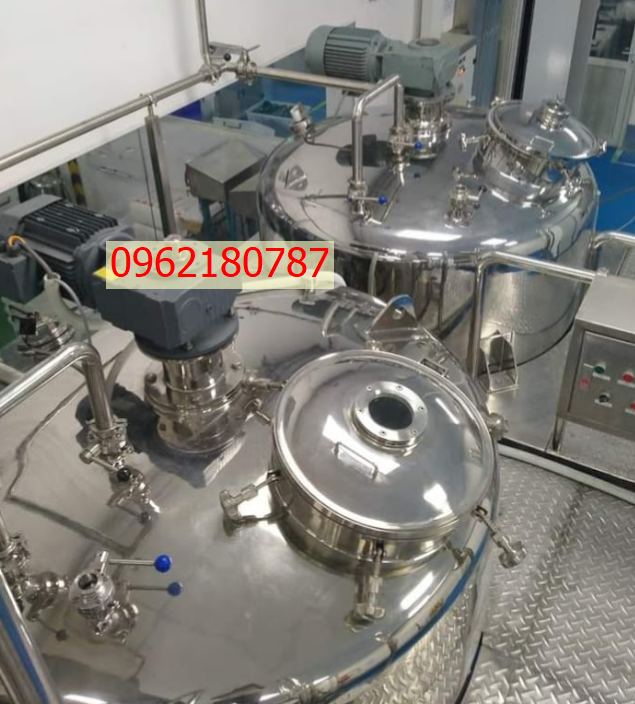
7. Final assembly and testing: Once the tank components are fabricated and treated, they are assembled to create the final microbial tank. The tank is then tested to ensure it functions properly and meets the required performance criteria, such as holding the desired volume of microbial culture and maintaining appropriate temperature and pressure conditions.
8. Packaging and delivery: After passing quality control and testing, the stainless steel microbial tanks are packaged for shipment to the customer. They are typically transported using suitable packaging materials and methods to prevent damage during transit.
It’s worth noting that the manufacturing process may vary depending on the specific requirements and complexity of the microbial tanks. Consulting with stainless steel fabrication experts or companies specializing in stainless steel tank manufacturing can provide further guidance and ensure a successful production process.
Please call us to receive a quote or gmail longphatcompanyvn@gmail.com